The primary environment for filesystem and kernel work — a single Linux workstation hosting the VM fleet, tracing, and benchmark tooling that the VFS articles and atlas-fs are built and tested on.
The Kernel Workbench is one physical machine that behaves like a small lab. It builds custom kernels, hosts a fleet of purpose-built virtual machines, and captures traces and benchmarks — all on hardware that can be reset to a known state between runs. It exists so that the claims made in the VFS articles and in atlas-fs are things that were observed here, not recalled.
Logical layout#
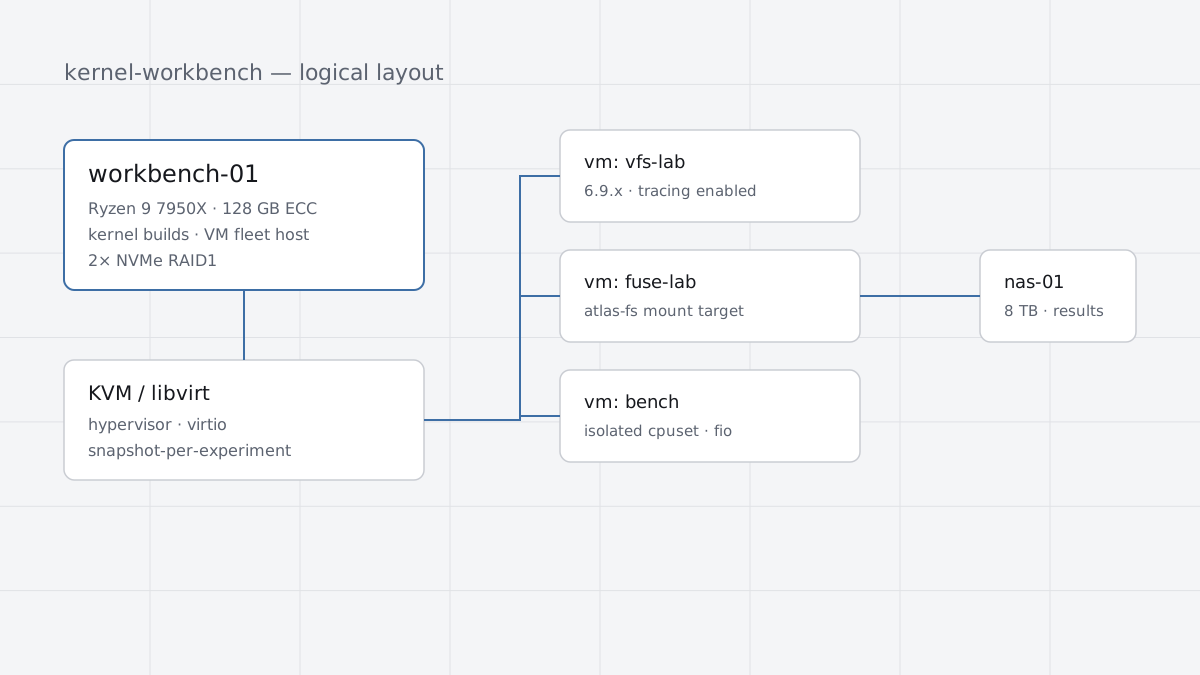
Everything hangs off a single host. The workstation builds kernels and runs the hypervisor; each experiment gets its own VM from a snapshot, so a run never inherits state from the one before it.
How it is used#
Kernel changes are built on workbench-01 and booted inside vfs-lab, where
ftrace and bpftrace are already wired up. FUSE work runs in fuse-lab,
whose only job is to be a clean mount target for atlas-fs. Anything that
produces numbers runs in bench, which is pinned to an isolated cpuset with no
other tenants during a measurement.
.config, the VM definitions, and the harness scripts are versioned; a run
records the commit it was taken at, so a result can be traced back to an exact
environment.The machine and its fleet#
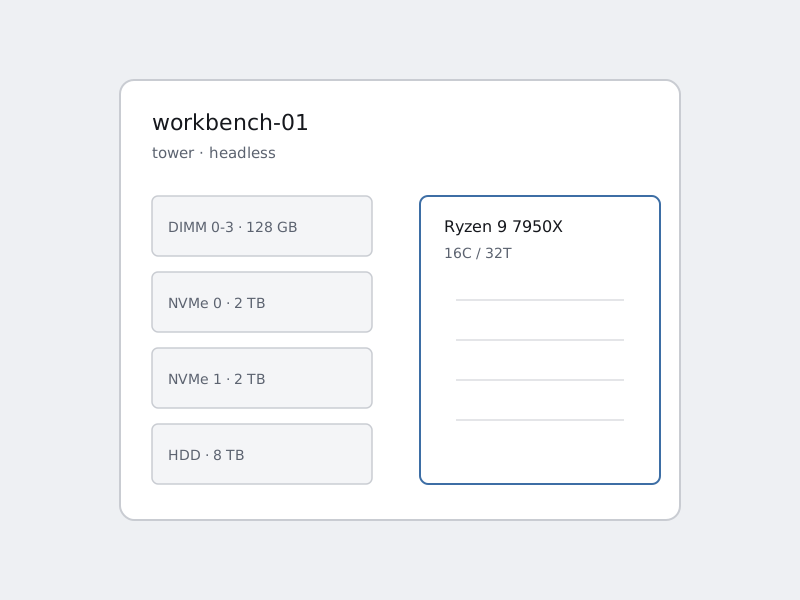
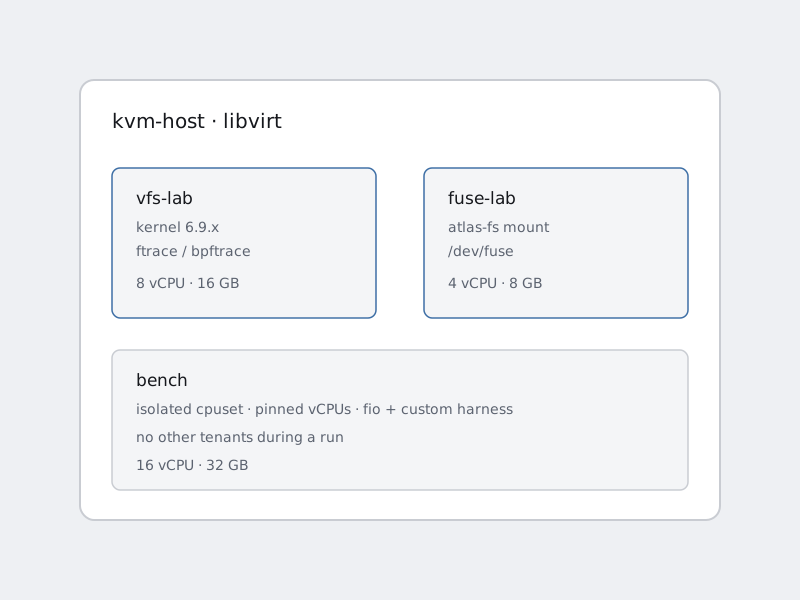
The inventory above is the source of truth for what is actually installed; this page is refreshed whenever the environment changes.